



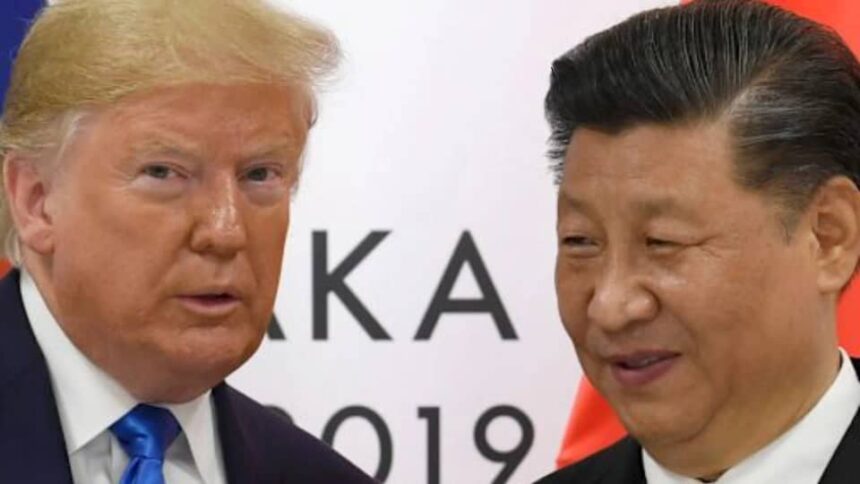
In a significant step toward easing trade tensions, the U.S. and China have agreed to temporarily reduce the harsh tariffs they’ve imposed on each other for a 90-day period. The decision marks a shift in approach by the U.S., which had previously insisted on maintaining high tariffs unless China made key concessions.
Despite President Trump’s tough stance, the White House scaled back the most severe levies amid rising concerns about the global economic impact of a full-scale trade war. Growing pressure from U.S. businesses and consumers—who began to feel the financial strain—prompted the administration to pursue renewed negotiations with Beijing.

“We’re not looking to hurt China,” President Trump said, noting that many tariffs remain in place but that talks will focus on opening Chinese markets to American companies. He added that a conversation with Chinese President Xi Jinping is expected soon, although a final agreement may take time to finalize.
In a joint statement released Monday, both nations committed to suspending their tariffs for 90 days and continuing the discussions that began over the weekend. Under the deal, the U.S. will lower its tariffs on Chinese imports from 145% to 30%, while China will reduce its duties on American goods from 125% to 10%, aiming to ease tensions and foster future cooperation.